
Potent Oral Retinoid for Severe, Treatment-Resistant Acne
Dragon Pharma Accutane 20 mg contains Isotretinoin, the active ingredient recognized globally as the most effective pharmaceutical treatment for severe, recalcitrant nodular and cystic acne. As a synthetic oral retinoid (13-cis retinoic acid), it represents the definitive therapeutic option when conventional treatments—including prolonged antibiotic courses and topical regimens—have failed. For bodybuilders and athletes, who are particularly prone to severe "steroid acne" or treatment-resistant breakouts due to hormonal fluctuations from performance-enhancing compounds, Accutane offers a powerful solution to achieve clear skin and prevent permanent scarring.
Manufactured to exacting pharmaceutical standards in Dragon Pharma's certified European facilities, each 20 mg tablet delivers a precise dose of Isotretinoin. Its unparalleled efficacy stems from its unique ability to attack acne on all four major fronts: it dramatically reduces sebaceous gland size and sebum (oil) production by up to 90%, normalizes the shedding of skin cells to prevent pore clogging, creates an unfavorable environment for acne-causing bacteria (P. acnes), and exerts potent anti-inflammatory effects. This comprehensive mechanism is why dermatologists consider it the gold standard, capable of inducing long-term remission where other therapies fall short.
CRITICAL SAFETY WARNING: Isotretinoin is a potent medication with a significant risk profile and is absolutely contraindicated during pregnancy due to a high risk of severe, life-altering birth defects. It is subject to strict risk management programs (like iPLEDGE in the US) that mandate rigorous monitoring. Common side effects like severe dryness of the skin, lips, and eyes are almost universal but manageable. More serious concerns include potential effects on blood lipids, liver enzymes, and mood. This product is intended for informed use under circumstances that acknowledge these risks and is not a casual over-the-counter supplement.
Key Benefits:
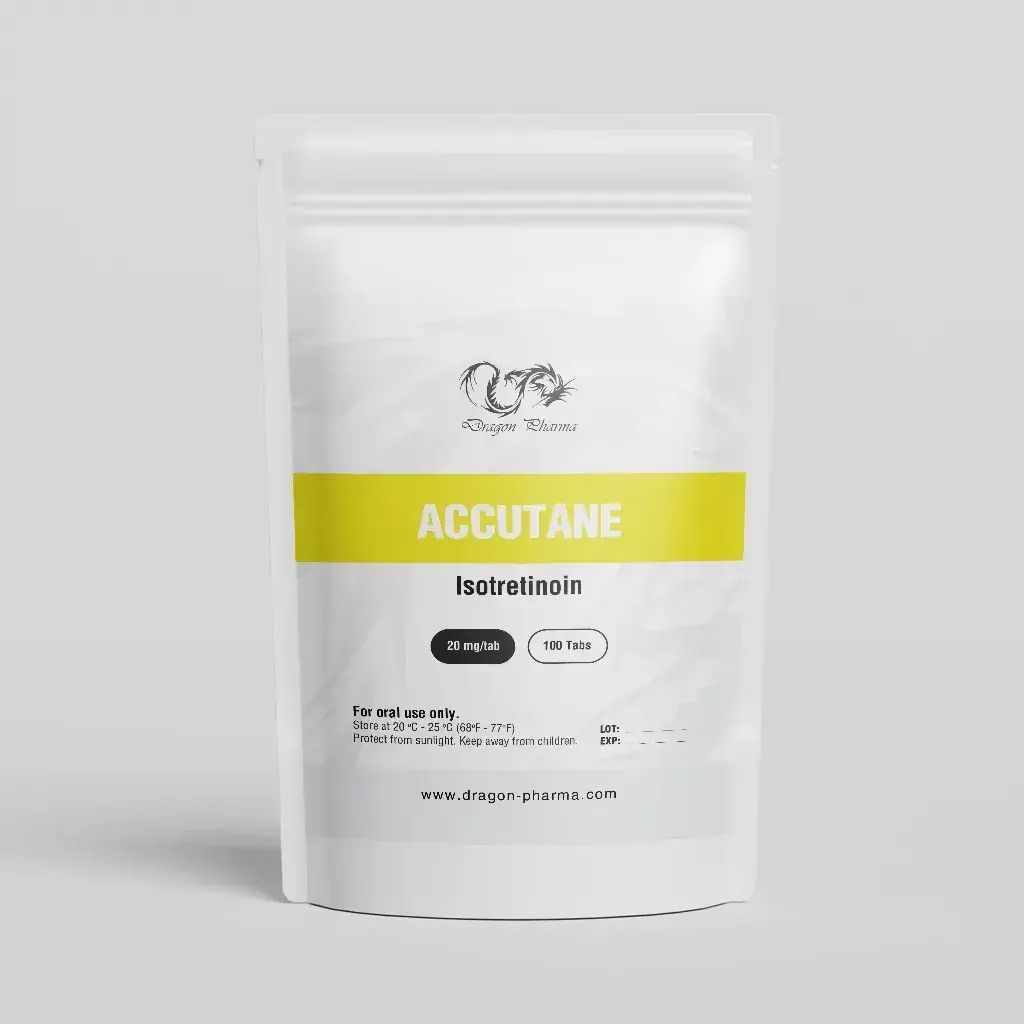
Each sachet contains 100 tablets of 20mg Isotretinoin, manufactured under strict quality control standards in Dragon Pharma's certified facilities.
| Product Name | Accutane 20 mg |
| Manufacturer | Dragon Pharma |
| Substance | Isotretinoin (13-cis retinoic acid) |
| Packaging | 100 tablets in sealed sachet |
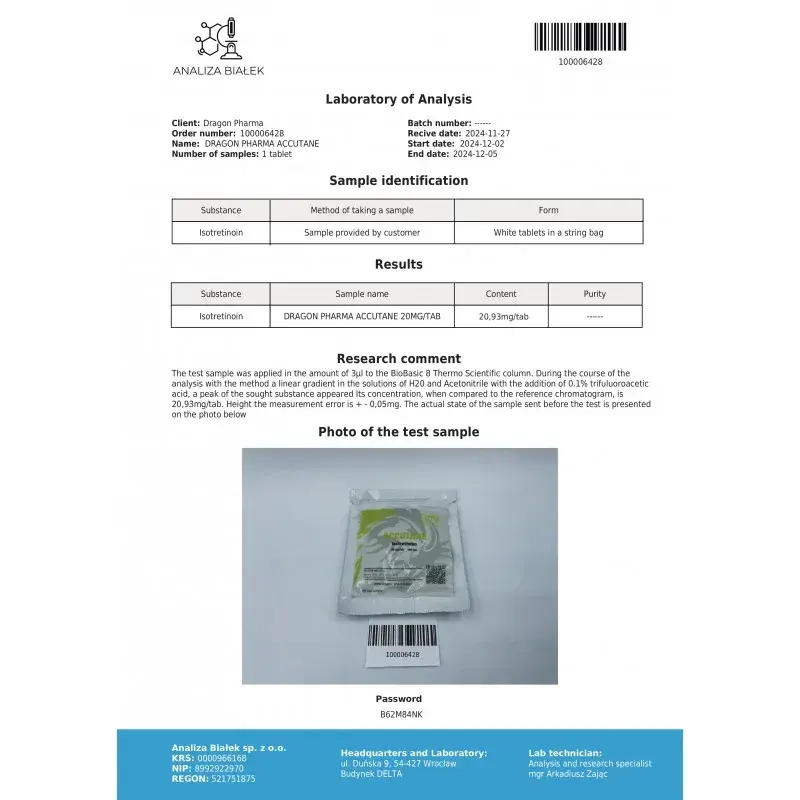
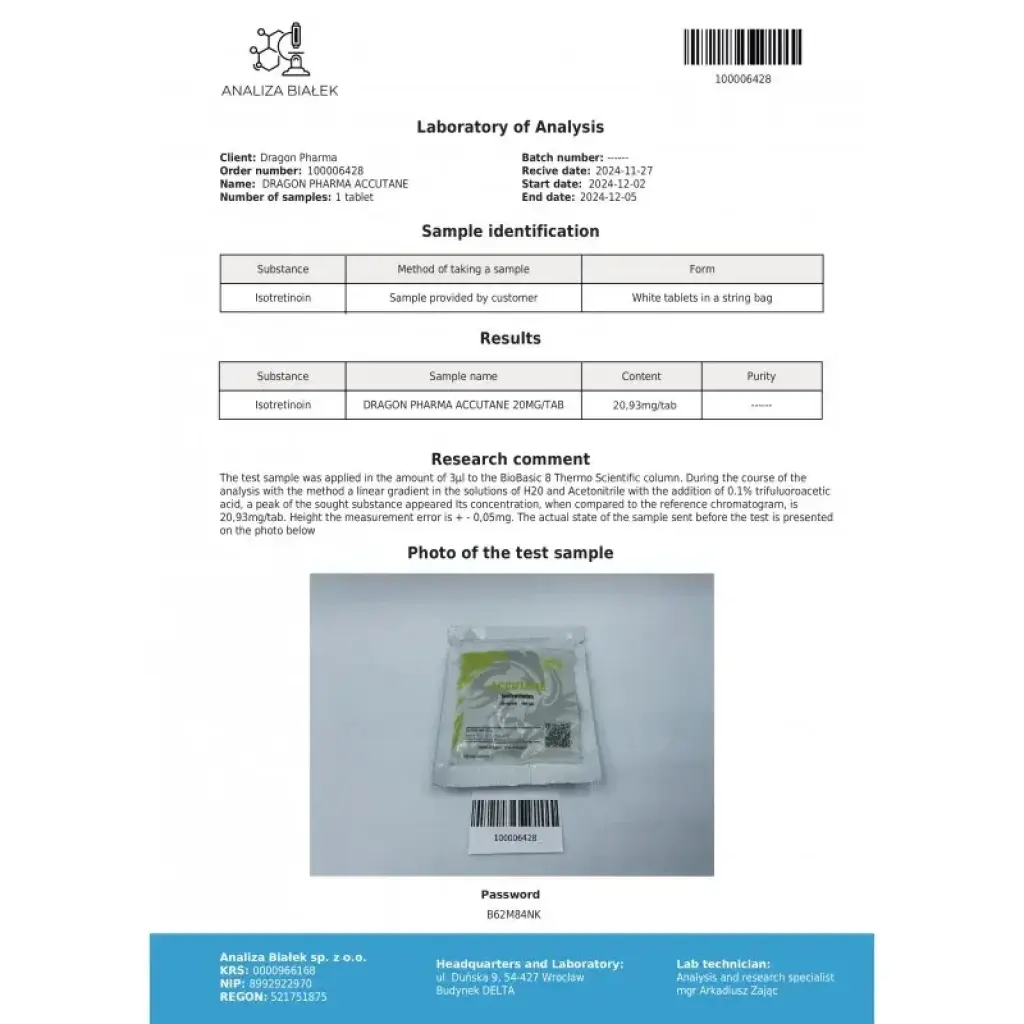
| Lab Test Result | 20.93 mg (Dec 2024) - Verified dosage |
| Half-Life | ~21 hours (Parent drug); ~24 hours (Major metabolite) |
| Recommended Cycle | 15-20 weeks (cumulative dose-based) |
| Form | Oral tablet (take with food) |
| Pregnancy Category | Category X - ABSOLUTE CONTRANDICATION |
| Standard Dosage | 0.5 - 1.0 mg/kg/day, divided |
SAFETY FIRST: Isotretinoin therapy is based on cumulative dose (target: 120-150 mg per kg of body weight). It requires medical supervision. Dosage is weight-based. For a 100 kg individual, one 20 mg tablet is 0.2 mg/kg/day.
This is non-negotiable. Before starting: Baseline blood tests for lipids (cholesterol, triglycerides) and liver function (ALT, AST) are essential. During treatment: Follow-up tests are typically required at one month and periodically thereafter. Isotretinoin commonly causes elevations in triglycerides and cholesterol. For females of childbearing potential: Negative pregnancy tests before, during, and after treatment are mandatory due to the extreme teratogenic risk.
Proactive management is key to tolerability. For universal dryness: Use intensive moisturizers (ceramide-based), lip balm with SPF 30+ constantly, saline eye drops, and a humidifier. For musculoskeletal aches, common in active individuals, ensure proper hydration and consider supplements like BPC-157 for joint support. Monitor for mood changes and discontinue if concerning symptoms arise. Never donate blood during and for at least one month after therapy due to the risk to pregnant transfusion recipients.
Note: The independent third-party lab test from December 2024 confirms a potency of 20.93 mg of Isotretinoin per tablet, verifying the accuracy of Dragon Pharma's 20 mg label claim. This ensures you receive a precisely dosed, pharmaceutical-grade product for predictable and effective treatment.
Isotretinoin is light-sensitive and can degrade if not stored properly. Adherence to these guidelines is crucial for maintaining potency.
Isotretinoin is a powerful oral retinoid that works by targeting all major causes of acne. It dramatically reduces sebum (oil) production by up to 90%, shrinks sebaceous glands, normalizes skin cell shedding to prevent clogged pores, reduces acne-causing bacteria, and has strong anti-inflammatory effects. This comprehensive action makes it uniquely effective for severe, treatment-resistant nodular and cystic acne. It is the only therapy that impacts all these pathogenic factors.
Yes, isotretinoin is considered a high-risk medication that requires strict medical supervision due to its potential for serious side effects. The most critical risk is severe birth defects if taken during pregnancy; it is absolutely contraindicated for pregnant women and those who may become pregnant. Common side effects include severe dryness of the skin, lips, and eyes. It can also cause elevated blood lipids (dyslipidemia) in many users and has been associated with rare but serious effects on mood, liver, and muscles. For these reasons, it is only available through a restricted risk management program (iPLEDGE in the US).
For most patients, a full course of isotretinoin can lead to long-term remission or significant, lasting improvement. Studies show it produces a prolonged disease-free period in many users. However, a permanent cure is not guaranteed for everyone. Relapse rates vary, and some patients, particularly younger individuals, may require a second course of treatment. Completing the full prescribed cumulative dose (typically 120-150 mg per kg of body weight over 15-20 weeks) is crucial for maximizing the chance of long-term success and minimizing relapse.
Regular blood tests are mandatory because isotretinoin can affect liver function and lipid levels (cholesterol and triglycerides). Studies show it can cause dyslipidemia in a significant number of patients. Monitoring typically includes baseline tests before starting, followed by checks at one month and periodically during treatment to detect any abnormalities early. For female patients, monthly pregnancy testing is a non-negotiable federal requirement due to the extreme risk of birth defects. This rigorous monitoring is a key part of the drug's risk management program to ensure patient safety.
Virtually all users experience some side effects, with mucocutaneous (skin and membrane) dryness being the most prevalent. This includes cheilitis (dry, chapped lips in ~90% of patients), dry skin (xerosis), dry eyes, and nosebleeds from nasal dryness. These are manageable with proactive care: using intensive, non-comedogenic moisturizers, lip balm with SPF, petroleum jelly for lips, saline eye drops, and humidifiers. Taking the medication with food can improve absorption and may help some individuals. Dermatologists emphasize that these effects are typically dose-dependent and reversible after treatment ends.
Aromatase Inhibitor (AI) - Non-Steroidal
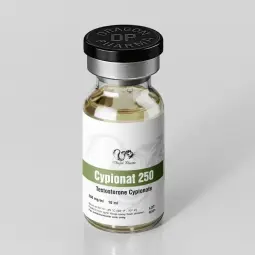
Long-Acting Testosterone Ester
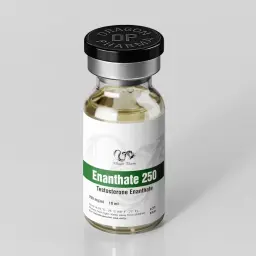
Long-Acting Testosterone Ester - The #1 Steroid Base
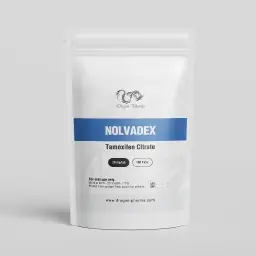
Selective Estrogen Receptor Modulator (SERM)