
Body Protection Compound Pentadecapeptide
BPC 157 5 mg delivers a potent, research-grade dose of the revolutionary pentadecapeptide known for its remarkable regenerative properties. BPC 157, which stands for "Body Protection Compound," is a synthetic peptide sequence derived from a protective protein found in human gastric juice. It has become a premier subject in research for its systemic healing effects, demonstrating potential in accelerating the repair of various tissues including tendons, ligaments, muscles, the gastrointestinal tract, and even the nervous system. Its mechanism is multifaceted, involving the upregulation of growth factors, promotion of angiogenesis (new blood vessel formation), and modulation of inflammatory pathways to create an optimal environment for recovery.
For bodybuilders, athletes, and fitness enthusiasts in the USA, Dragon Pharma BPC 157 5 mg represents a cutting-edge research tool for overcoming training setbacks. Intensive training often leads to joint stress, minor muscle tears, and connective tissue wear. Research into BPC 157 focuses on its potential to significantly reduce downtime by enhancing the body's innate repair processes. Beyond musculoskeletal applications, its well-documented gastroprotective effects make it a compound of interest for those researching gut health, especially under the physical and dietary stress common in hard training. Manufactured by Dragon Pharma to exacting standards, each 5 mg vial of lyophilized powder ensures high purity and stability, providing researchers with a reliable agent for controlled wound healing, ulcer, and recovery studies.
Key Benefits:
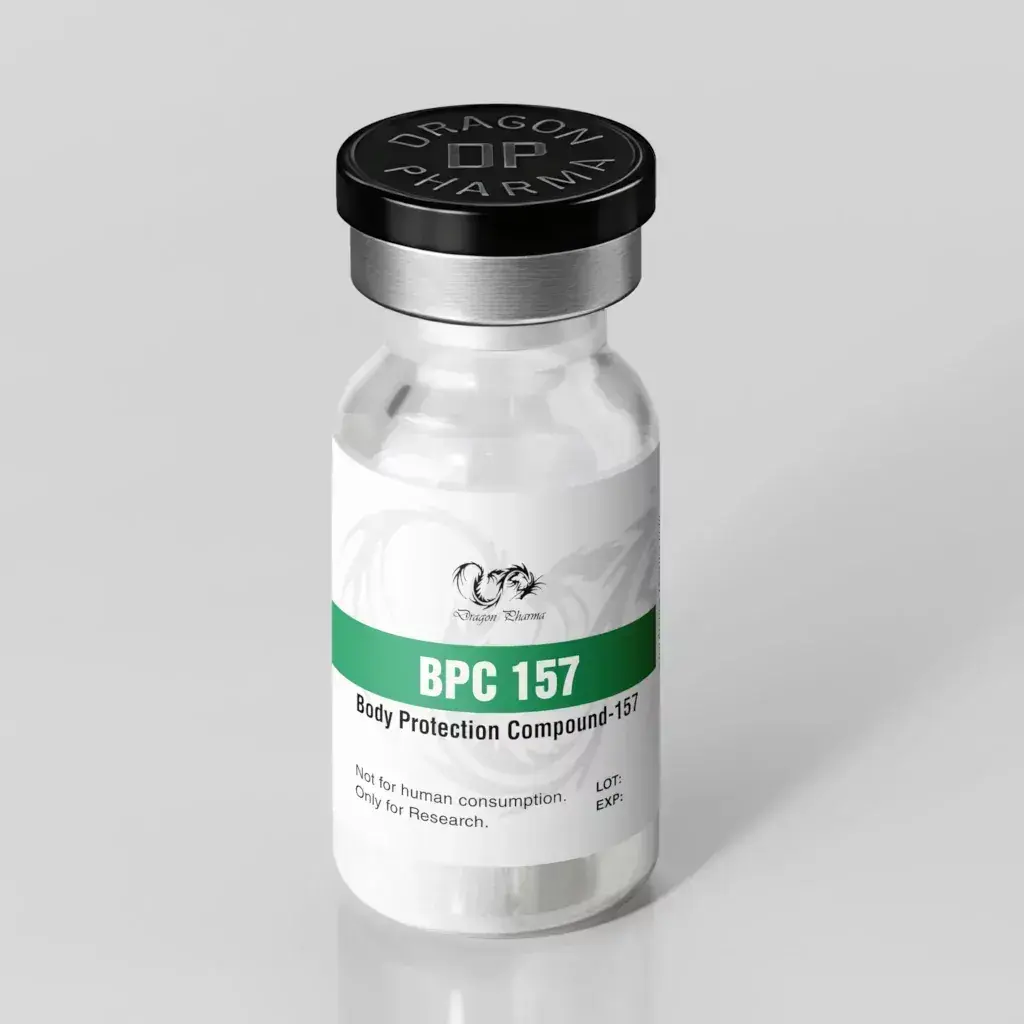
Each 2 mL vial contains 5 mg of ultra-pure, synthetically manufactured BPC 157 pentadecapeptide as a lyophilized powder, produced under strict GMP-like protocols in Dragon Pharma's state-of-the-art European research facilities.
| Product Name | BPC 157 5 mg |
| Manufacturer | Dragon Pharma |
| Substance | Pentadecapeptide (BPC 157) |
| Packaging | 2 mL glass vial, lyophilized powder |
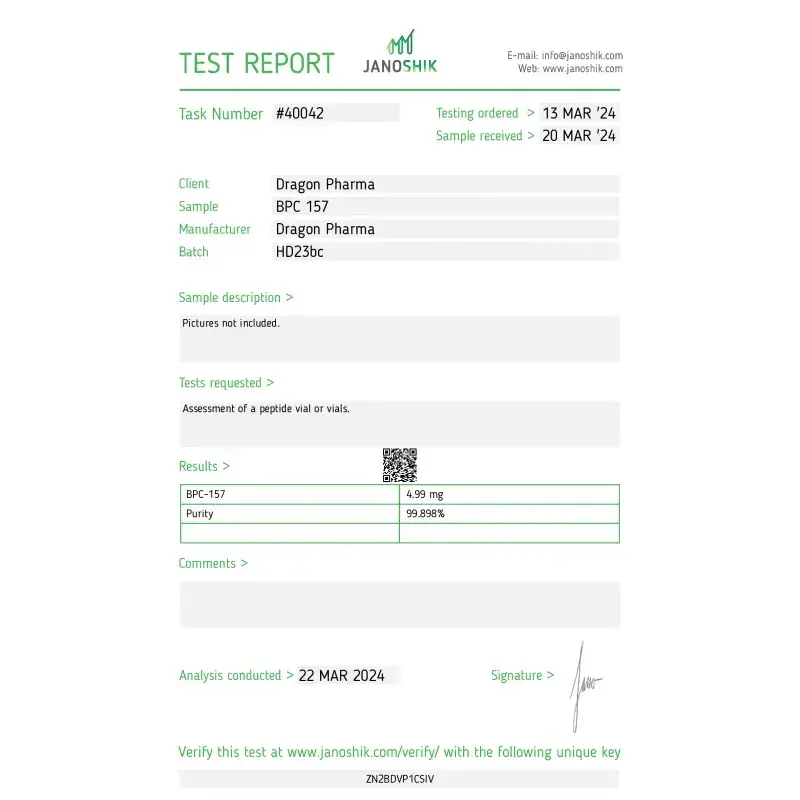
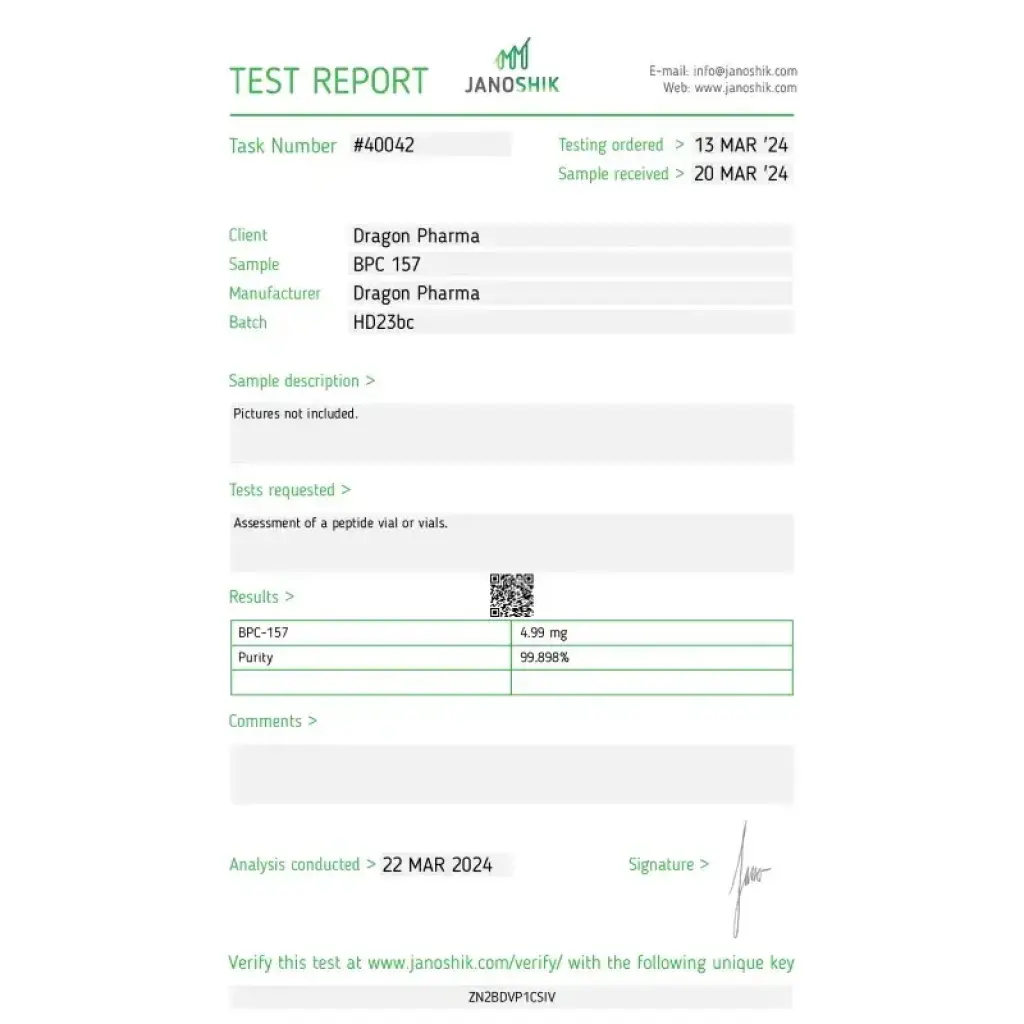
| Lab Test Result | 4.99 mg (99.8% of label claim) - Latest batch |
| Half-Life | Relatively short (hours); stable due to degradation resistance. |
| Recommended Cycle | Research cycles vary from 2-4 weeks for acute injury to 6+ weeks for chronic issues or systemic healing. |
| Form | Lyophilized (freeze-dried) powder for reconstitution |
| Aromatization | Not applicable (non-hormonal peptide) |
| Dosage (Research Models) | Widely variable; often studied with once or twice-daily administration protocols. |
For Research Purposes Only: This information summarizes preclinical findings. Dragon Pharma BPC 157 5 mg is a research chemical for laboratory investigation, not for human consumption.
In experimental models, BPC 157 is reconstituted with bacteriostatic water. Research administration can be subcutaneous (for systemic effects), localized near an injury site, or oral for GI-specific studies (remarkably stable against stomach acid). Its effects appear to be dose-dependent and cumulative. Research often continues for several weeks beyond symptom resolution to ensure complete tissue remodeling. It is considered very well-tolerated in animal models with a high therapeutic index.
BPC 157 does not affect hormonal axes, so traditional PCT with drugs like Aromasin or HCG is not applicable. However, research into maintaining the healed state is important. To support ongoing tissue health after a BPC 157 research cycle, compounds like TB 500 (Thymosin Beta-4) can be studied for its role in cell migration and repair, or GHK-Cu for its collagen synthesis and anti-inflammatory properties.
BPC 157 is frequently studied alongside other healing agents. For comprehensive injury recovery models, the TB-500/BPC-157 blend offers a direct research combination. For athletes researching performance and recovery, combining with IGF-1 LR3 could be explored for muscle growth and repair synergy. Due to its liver-protective effects in models, BPC 157 itself is sometimes studied as a protective agent during cycles of hepatotoxic compounds.
Proper storage is critical to preserve the peptide's stability and research efficacy.
BPC-157 is a research peptide studied for its extensive regenerative effects. It promotes healing in various tissues by increasing growth factor expression, stimulating blood vessel formation (angiogenesis), and regulating the inflammatory response. Research focuses on its application for tendon/ligament repair, muscle recovery, gastrointestinal ulcers, and even liver and nerve protection.
In preclinical models, BPC-157 has an exceptional safety profile with very few reported adverse effects. Theoretical concerns in research are minimal but could include the potential for overly rapid healing (e.g., fibrosis if dosage is extremely high) or the masking of pain that would normally protect an injury. It is not associated with hormonal side effects.
In research settings, initial systemic effects (like reduced inflammation) can be observed within days. However, structural tissue repair (e.g., tendon strengthening) is a slower process, with measurable improvements typically noted in studies within 2-4 weeks, continuing with longer use. The timeline depends heavily on the severity and type of injury being studied.
Yes, in research protocols, BPC-157 is most often administered daily, and sometimes twice daily, due to its relatively short half-life. Consistent daily dosing is used to maintain stable concentrations and provide continuous signaling for the healing and repair processes under investigation.
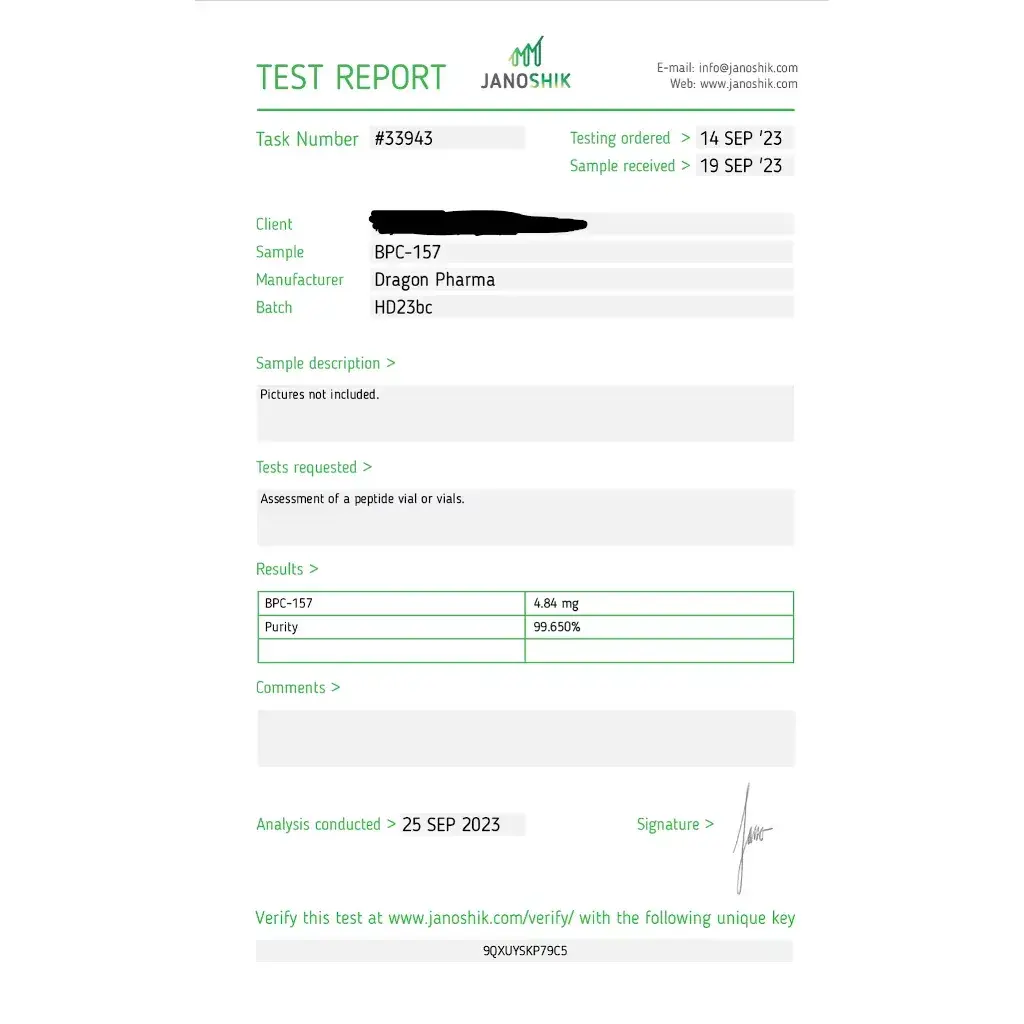
Absolutely. As shown in the third-party lab tests, recent batches test at 4.99 mg per vial (99.8% of the 5 mg label claim). Dragon Pharma's rigorous quality control and independent verification ensure precise dosing and ≥99% purity, providing researchers with a reliable and accurately quantified product.
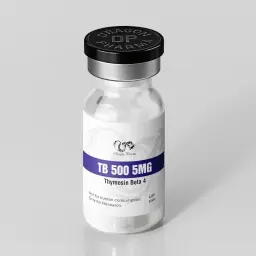
Healing & Regenerative Peptide
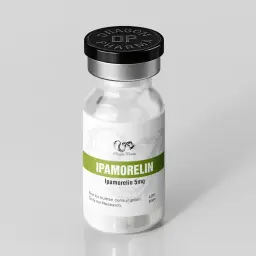
Growth Hormone Secretagogue (GHRP) Peptide
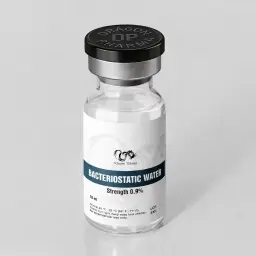
Sterile Multi-Dose Diluent Solution